INTRODUCTION:
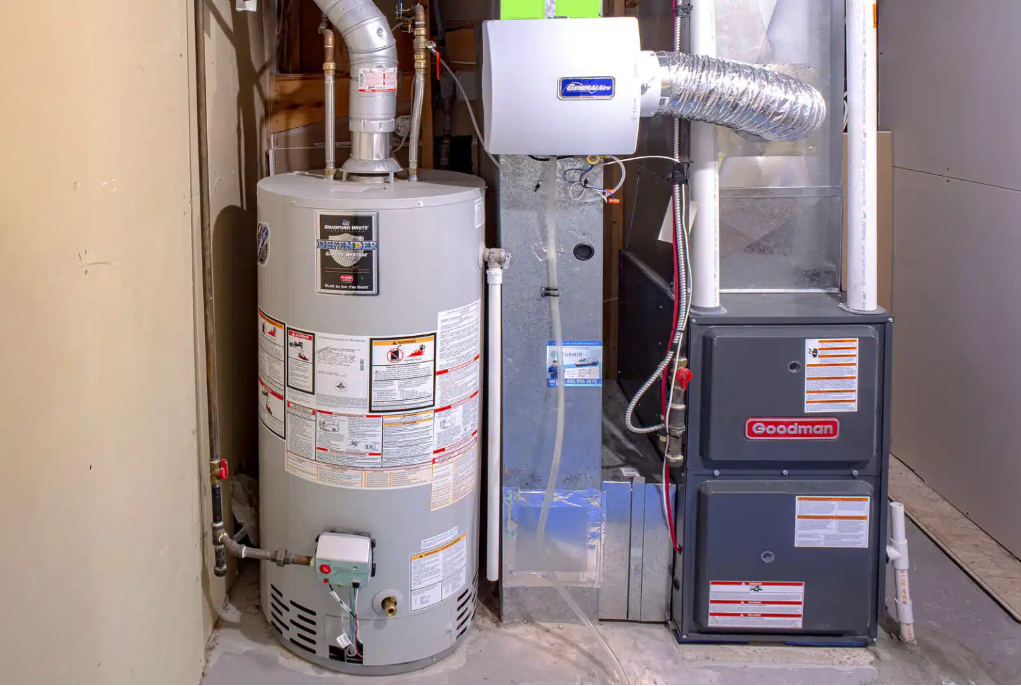
Goodman is one of the most widely installed furnace brands in the United States — known for offering reliable performance at an accessible price point. Owned by Daikin since 2012 Goodman furnaces have seen significant quality improvements while maintaining the value pricing that made the brand popular.
When your Goodman furnace stops working the diagnostic process is straightforward if you know where to look. Most Goodman furnace problems follow predictable patterns — and the majority can be diagnosed and fixed by homeowners without calling a technician.
This complete troubleshooting guide walks you through every common Goodman furnace problem — from a unit that won’t turn on to one that short cycles or blows cold air — with step by step fixes starting with the simplest causes first.
H2: How Goodman Furnace Diagnostics Work
Goodman furnaces use a status LED light on the control board to communicate fault codes. The light is visible through a small window in the furnace door panel — usually in the lower section of the furnace.
The LED blinks in a coded pattern — a specific number of flashes followed by a pause then another series of flashes. Count the flashes before and after the pause to identify your fault code.
For example if the light flashes 3 times pauses then flashes 1 time your code is 3-1. Match this pattern to the fault code chart — usually printed on a sticker inside your furnace door.
Pro tip: Use your phone to record a short video of the LED light. Play it back at normal speed and count the flash pattern. This is far easier than trying to count in real time.
If your LED is flashing continuously in a steady on-off pattern with no distinct pause groups this indicates normal operation — not a fault condition.
H2: Goodman Furnace Won’t Turn On
A Goodman furnace that shows no signs of life when the thermostat calls for heat is one of the most common complaints. Work through these checks in order before assuming a major mechanical failure.
Check the thermostat Verify the system is set to Heat not Cool or Off. Check the fan setting is on Auto not On. Replace the batteries — dead thermostat batteries are one of the most common causes of a completely unresponsive furnace. Set the temperature at least 5 degrees above the current room temperature.
Check the power switch Every furnace has a power switch — it looks like a standard light switch usually mounted on or near the furnace or at the top of the basement stairs. Make sure it’s in the on position. It’s surprisingly easy to accidentally switch this off.
Check the circuit breaker Go to your main electrical panel and find the breaker labeled Furnace, Air Handler, or HVAC. If it’s tripped reset it by pushing it firmly to off first then back to on. If it trips again immediately call a technician — a repeatedly tripping breaker indicates a serious electrical fault.
Check the furnace door Most Goodman furnaces have a door interlock switch — a small button that the furnace door depresses when closed. If the door isn’t fully closed and latched this switch cuts power to the furnace as a safety measure. Make sure the door is fully closed and the latch is engaged.
Check the gas supply Verify your gas supply is on by checking another gas appliance in your home — a gas range or water heater. If those work your gas supply is fine. If they don’t work contact your gas company immediately.
H2: Goodman Furnace Fault Code 1 Flash — System Lockout
One flash indicates your Goodman furnace has entered system lockout after repeated failed ignition attempts. The control board tried to ignite the burners multiple times without success and locked out to prevent unburned gas accumulation.
Most common causes: A failed hot surface ignitor is the leading cause. The ignitor is a fragile ceramic element that glows orange hot to ignite the gas — it weakens over time and eventually fails to reach ignition temperature. A dirty or failed flame sensor, low gas pressure, and a failed gas valve are other possible causes.
How to fix it: Reset the furnace by turning the power switch off for 30 seconds and back on. Watch the startup sequence — you should hear the inducer motor start, a pause, then a click from the gas valve, then ignition. If you hear the gas valve click but no ignition the ignitor is the most likely problem.
A replacement Goodman hot surface ignitor costs $15 to $40 on Amazon. If the ignitor glows but the flame won’t stay lit clean the flame sensor — a 10 minute free fix that resolves the majority of ignition issues.
H2: Goodman Furnace Fault Code 2 Flashes — Pressure Switch Stuck Open
Two flashes means the pressure switch didn’t close during the startup sequence. The pressure switch verifies proper draft from the inducer motor before allowing the gas valve to open — a critical safety check.
Most common causes: A blocked condensate drain line is the most common cause on high efficiency Goodman furnaces. Water backing up can block the pressure switch port and prevent it from reading correctly. A cracked or disconnected pressure switch hose, a failed inducer motor, or an actual failed pressure switch are other causes.
How to fix it: Check the condensate drain line first — pour one cup of white vinegar into the drain access point to clear algae and blockages. Check the small rubber hose connecting the pressure switch to the inducer for cracks or disconnections.
Listen for the inducer motor — it should run continuously from the moment the furnace attempts to start. If it’s silent or sounds weak the inducer motor may be failing.
Pressure switch replacement costs $15 to $50 and is a DIY-friendly repair.
H2: Goodman Furnace Fault Code 3 Flashes — Pressure Switch Stuck Closed
Three flashes is the opposite of code 2 — the pressure switch is in the closed position when it should be open before the inducer starts.
Most common causes: Water inside the pressure switch from a backed up condensate drain, a stuck or shorted pressure switch, or a short circuit in the pressure switch wiring.
How to fix it: Disconnect the rubber hose from the pressure switch and check for water inside. Water confirms a condensate drain problem. Clear the drain and dry the hose completely before reconnecting.
If no water is present the pressure switch is stuck closed and needs replacement. As noted above pressure switches are inexpensive and straightforward to replace.
H2: Goodman Furnace Fault Code 4 Flashes — Open Limit Device
Four flashes is the most common Goodman furnace error code. It means the high limit switch opened because the furnace overheated — a safety response that prevents damage to the heat exchanger and fire risk.
Most common causes: A clogged air filter causes the majority of code 4 calls. Blocked airflow causes the heat exchanger to overheat and the limit switch to trip. Closed or blocked supply vents, a dirty blower wheel, and a failing blower motor are other contributors.
How to fix it: Replace your air filter immediately — this is the fix in the majority of cases. Open all supply and return vents. Reset the furnace and test.
If code 4 returns after filter replacement and vent check your blower motor may be running too slowly due to a failing capacitor or motor bearing. Have a technician inspect the blower if basic fixes don’t resolve the code.
Important: Repeated code 4 faults despite a clean filter and open vents can indicate a cracked heat exchanger — a serious safety issue. A cracked heat exchanger allows combustion gases including carbon monoxide to mix with your home’s air supply. Schedule a professional inspection if code 4 persists.
H2: Goodman Furnace Fault Code 5 Flashes — Flame Without Gas Valve
Five flashes means the flame sensor is detecting a flame signal when the gas valve hasn’t been commanded to open. This safety code triggers immediate shutdown.
Most common causes: A faulty flame sensor sending false signals is the most common cause. A gas valve that isn’t fully closing is less common.
How to fix it: Clean the flame sensor — turn off all power to the furnace, locate the flame sensor rod in the burner assembly, remove the single retaining screw, and gently rub the metal rod with fine steel wool to remove the white oxide coating. Reinstall and test.
This free fix resolves the majority of code 5 cases. If the code returns after cleaning the flame sensor or gas valve may need professional inspection.
H2: Goodman Furnace Fault Code 6 Flashes — Rollout Switch Open
Six flashes means the rollout switch has tripped. This safety device detects flames rolling out of the heat exchanger — an extremely dangerous condition.
This code requires immediate professional attention.
Do not simply reset the rollout switch and continue operating the furnace. A tripped rollout switch indicates a blocked heat exchanger, a cracked heat exchanger, or a blocked flue — all serious safety hazards. Call a licensed HVAC technician before operating the furnace again.
H2: Goodman Furnace Blowing Cold Air
A Goodman furnace that runs but blows cold or room temperature air instead of warm air has one of these problems:
Incorrect thermostat setting Check that the fan isn’t set to On — this runs the blower continuously regardless of whether the burners are lit, blowing unheated air between heating cycles. Set the fan to Auto.
Ignition failure If the burners aren’t lighting — due to a failed ignitor or flame sensor issue — the blower runs but blows unheated air. Check your fault code LED and address the underlying ignition issue.
Overheating and limit switch tripping If the limit switch trips during operation the burners shut off but the blower continues running to cool the heat exchanger down — blowing progressively cooler air until the blower cycle ends. Check your filter and vents.
Delayed ignition If you notice the furnace blows cold air for 30 to 60 seconds before warm air arrives this is normal — the burners need time to heat the heat exchanger before warm air reaches your vents. Delays longer than 90 seconds indicate a problem worth investigating.
H2: Goodman Furnace Short Cycling
Short cycling — the furnace turning on and shutting off after only a few minutes — wastes energy, causes excessive wear, and fails to adequately heat your home.
Common causes:
A clogged air filter restricts airflow and causes rapid overheating — the limit switch trips and shuts the furnace off before it completes a full heating cycle. Replace the filter first.
An oversized furnace heats the space so quickly that the thermostat is satisfied before the system completes a full cycle. This is a design issue that requires professional evaluation to resolve properly.
A failing flame sensor causes the furnace to light successfully but shut off quickly when the sensor fails to confirm the flame is present. Clean or replace the flame sensor.
A faulty thermostat that reads temperature inaccurately — particularly one located near a heat source — can trigger premature shutoff. Check thermostat placement and replace batteries.
H2: Goodman Furnace Making Strange Noises
Different sounds from your Goodman furnace indicate different problems:
Banging or booming at startup A loud bang when the furnace first lights is called delayed ignition — gas accumulates in the burner chamber before igniting, causing a small explosion when it finally lights. This stresses the heat exchanger and can cause cracks over time. Have a technician clean the burners and check the ignitor.
Squealing or screeching High pitched sounds indicate a failing blower motor bearing. Schedule service promptly — a bearing replacement is far less expensive than a complete blower motor replacement.
Rattling Loose panels, screws, or ductwork near the furnace cause rattling. Check and tighten all furnace panel screws. Check that ductwork connections near the furnace are secure.
Rumbling during operation A low rumble while the furnace is running can indicate dirty burners — the flame is burning unevenly due to debris on the burner surface. A technician can clean the burners as part of an annual tune up.
Clicking without ignition Repeated clicking sounds as the furnace tries to start without igniting indicate an ignitor or gas supply problem. See the fault code 1 section above.
H2: Goodman Furnace Maintenance Schedule
Prevent the most common Goodman furnace problems with this maintenance routine:
Every 30 to 90 days: Replace air filter — the single most important maintenance task. Check filter monthly and replace when you can no longer see light through it.
Every 90 days: Flush condensate drain line with white vinegar — prevents the drain blockages that cause pressure switch fault codes.
Annually — fall before heating season: Clean flame sensor with fine steel wool — prevents the majority of ignition and lockout codes. Inspect inducer motor and blower for unusual sounds or reduced performance. Check all electrical connections for corrosion or looseness. Test carbon monoxide detectors throughout your home.
Every 1 to 2 years: Schedule professional tune up — a technician can check heat exchanger integrity, measure gas pressure, test capacitors, and catch developing problems before they cause winter breakdowns.
H2: Goodman Furnace Warranty Information
Goodman offers strong warranty coverage that competes with premium brands:
Registered equipment — 10 year limited parts warranty on most models. Lifetime heat exchanger warranty on many models — one of the strongest heat exchanger warranties in the industry. 10 year unit replacement warranty on select models.
Unregistered equipment — 5 year parts warranty.
To qualify for full warranty coverage register your equipment within 60 days of installation at Goodman’s website. Keep records of professional installation and maintenance — Goodman may require proof of professional installation for warranty claims.
H2: When to Call a Professional
Handle these yourself:
- Replace air filter
- Clean flame sensor
- Check and clear condensate drain
- Reset circuit breaker once
- Replace thermostat batteries
- Replace hot surface ignitor
Call a licensed technician for:
- Rollout switch fault — code 6
- Repeated limit switch faults despite clean filter
- Gas valve issues
- Heat exchanger inspection
- Inducer motor replacement
- Any situation where you smell gas
H2: Frequently Asked Questions
Q: Is Goodman a reliable furnace brand? Yes — Goodman has improved significantly since being acquired by Daikin in 2012. While not at the premium reliability level of Trane or Carrier Goodman offers solid performance at a lower price point. Their lifetime heat exchanger warranty reflects confidence in their core components.
Q: How long does a Goodman furnace last? A well maintained Goodman furnace typically lasts 15 to 20 years. Regular filter replacement and annual maintenance are the most important factors in maximizing lifespan.
Q: Where is the reset button on a Goodman furnace? Goodman furnaces don’t have a dedicated reset button. To reset the furnace turn the power switch off for 30 seconds then back on. This clears the fault code and allows a new startup attempt.
Q: Why does my Goodman furnace keep turning off? The most common causes are a clogged air filter triggering the high limit switch, a dirty flame sensor causing ignition lockout, or a failing inducer motor affecting the pressure switch. Start with filter replacement and flame sensor cleaning before calling a technician.
Q: How do I find my Goodman furnace model number? Your Goodman furnace model number is on the rating plate — a silver sticker inside the furnace door or on the side of the furnace cabinet. It typically begins with letters followed by numbers such as GMVC96. You’ll need this for ordering parts or looking up specific information for your model.
Q: Can I replace a Goodman furnace myself? Full furnace replacement requires gas line connections and electrical work that in most jurisdictions requires licensed contractor installation and permits. Component level repairs — ignitors, flame sensors, capacitors, pressure switches — are within reach for mechanically inclined homeowners. Always verify local codes before attempting any gas appliance work.