INTRODUCTION:
Having the right tools on hand is the difference between fixing a common HVAC problem yourself in 30 minutes and waiting 3 days for a technician to show up and charge you $150 for the same repair.
The good news is that you don’t need an expensive professional toolkit to handle the most common HVAC maintenance and repair tasks. A targeted selection of 10 to 15 tools costing $150 to $300 total puts you in a position to handle the vast majority of HVAC problems homeowners encounter — from replacing a capacitor to cleaning coils to diagnosing error codes.
This guide covers every tool worth having as a homeowner — organized by priority so you know exactly what to buy first and what can wait.
H2: Essential HVAC Tools Every Homeowner Needs
These are the tools you should own before anything else. They cover the most common maintenance tasks and basic repairs.
H2: HVAC Multimeter — Most Important Diagnostic Tool
A multimeter is the single most useful tool you can own for HVAC diagnostics. It measures voltage, resistance, and capacitance — allowing you to test capacitors, check for power at components, and diagnose electrical faults without guessing.
Many HVAC problems that seem mysterious become immediately obvious with a multimeter. A capacitor that looks perfectly normal physically but tests out of spec on a multimeter tells you exactly what to replace. Checking for voltage at the outdoor unit tells you instantly whether the problem is electrical or mechanical.
What to look for: Choose a multimeter with capacitance testing capability — this is the feature that makes it specifically useful for HVAC work. Without capacitance testing you can measure voltage but you can’t test capacitors which are one of the most common HVAC failure points.
Auto ranging is another feature worth having — it automatically selects the correct measurement range rather than requiring you to set it manually.
Recommended option: The Klein Tools MM400 is one of the best selling multimeters on Amazon for homeowners and light professional use. It includes capacitance testing, auto ranging, and a temperature probe — everything you need for HVAC diagnostics at a reasonable price point.
A good homeowner grade multimeter costs $35 to $65 and will last for decades.
H2: Non Contact Voltage Tester — Essential Safety Tool
Before touching any electrical component on your HVAC system you need to verify the power is actually off. A non contact voltage tester lets you check for live voltage without touching any wires — you simply hold it near a wire or terminal and it beeps or lights up if voltage is present.
This is not optional equipment. Furnace control boards, AC capacitors, and contactors can all hold dangerous voltage even after the system appears to be powered down. A $15 to $25 non contact voltage tester could save your life.
Recommended option: The Klein Tools NCVT-1 is the most popular non contact voltage tester on Amazon and the standard choice for both homeowners and professionals. Simple, reliable, and affordable at around $20.
H2: Fin Comb — Condenser and Evaporator Coil Tool
Your AC condenser coils and evaporator coils have thin aluminum fins that bend easily from impacts, hail, or pressure washing. Bent fins block airflow just as effectively as dirt — reducing your system’s efficiency even after a thorough cleaning.
A fin comb is a simple tool with multiple sets of teeth sized to fit between the fin spacing on different coil types. It straightens bent fins quickly and safely without damaging the coil.
What to look for: A multi-size fin comb with 5 to 7 different tooth spacings covers virtually all residential HVAC coil configurations. Single size fin combs are less versatile and often don’t fit your specific unit.
Recommended option: The Mudder 5-in-1 fin comb is the best selling option on Amazon for homeowners — affordable at $8 to $12 and compatible with most residential AC and furnace coils.
H2: Coil Cleaning Brush Set
While a garden hose handles most condenser coil cleaning a soft bristle brush set allows you to agitate and loosen debris embedded between the fins without damaging them. Brushes are particularly useful for cleaning evaporator coils where a hose isn’t practical.
A basic HVAC coil brush set includes several brush sizes and stiffnesses for different coil types and access situations. Pair with a no rinse coil cleaner spray for the most thorough cleaning possible.
Recommended option: A basic coil cleaning brush set costs $10 to $20 on Amazon and includes multiple brush types for both condenser and evaporator coil cleaning.
H2: Cordless Drill and Screwdriver Set
Nearly every HVAC access panel, vent cover, and component is secured with screws. A cordless drill dramatically speeds up the process of opening panels, removing vent covers, and accessing components compared to a manual screwdriver.
A basic cordless drill with a bit set covering Phillips, flathead, and nut driver sizes handles virtually every fastener you’ll encounter on residential HVAC equipment.
Recommended option: The DEWALT 20V cordless drill is the most popular homeowner drill on Amazon and worth the investment if you don’t already own one. A less expensive option is the BLACK+DECKER 20V drill which costs around $50 and handles all residential HVAC tasks easily.
H2: Duct Tape and HVAC Metal Foil Tape
Standard duct tape — despite its name — is actually one of the worst things you can use on ductwork. It dries out within a few years and loses adhesion, leaving leaks unsealed and falling off inside your ducts.
HVAC metal foil tape is the correct product for sealing duct leaks. It’s a metallic aluminum tape specifically designed for HVAC applications — it withstands temperature extremes and maintains adhesion for decades.
Every homeowner should have a roll of HVAC foil tape. It’s the correct fix for duct leaks, sealing gaps around filter slots, patching minor duct damage, and sealing connections after ductwork work.
Recommended option: 3M 3340 HVAC foil tape is the professional standard and available on Amazon for $15 to $30. Avoid generic foil tapes that aren’t specifically rated for HVAC temperatures.
H2: Pipe Insulation and Foam Tape
The refrigerant lines running between your indoor and outdoor AC units should be fully insulated to prevent energy loss and condensation dripping. Over time the foam insulation degrades, cracks, and falls off — leaving bare copper lines that sweat and drip water inside your home.
Replacement foam pipe insulation is inexpensive and easy to install. Simply measure your line diameter, buy the correct size foam insulation, split it along its length, and wrap it around the pipe.
Foam tape is useful for sealing gaps and joints in the insulation where water and energy can escape.
Recommended option: Frost King foam pipe insulation is the most widely available option at hardware stores and on Amazon. Buy the correct diameter for your refrigerant lines — most residential systems use 3/4 inch or 7/8 inch suction lines.
H2: Flashlight or Headlamp
HVAC components are often in dark locations — inside furnace cabinets, in attic air handlers, or in crawl spaces. A good flashlight or headlamp is essential for seeing what you’re working with.
A headlamp is actually preferable to a handheld flashlight for HVAC work because it keeps both hands free — important when you’re manipulating wires, screws, and components in tight spaces.
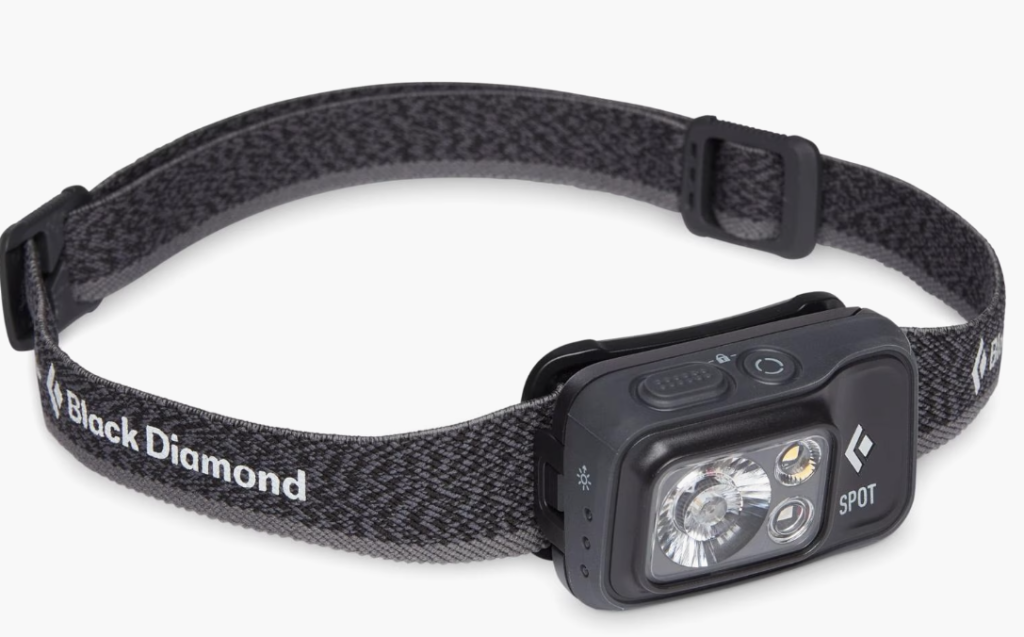
Recommended option: The Black Diamond Spot headlamp is a popular choice offering bright output, adjustable beam, and long battery life at around $35. A less expensive option is any 200 to 400 lumen headlamp — brightness matters more than brand in most situations.
H2: Intermediate HVAC Tools — For More Serious DIYers
Once you have the essentials covered these tools expand what you can diagnose and repair yourself.
H2: AC Capacitor Tester
While a multimeter with capacitance testing handles most capacitor checks a dedicated capacitor tester provides more precise readings and is faster to use when testing multiple capacitors. If you have an older system where capacitor failure is a recurring issue a dedicated tester is worth having.
Most dedicated capacitor testers also test motor windings — allowing you to check whether blower motors and condenser fan motors are functioning correctly before replacing them.
Recommended option: A basic capacitor tester costs $20 to $40 on Amazon. The UEi Test Instruments capacitor tester is a popular homeowner option that provides accurate readings at an accessible price point.
H2: Refrigerant Gauge Set
A refrigerant gauge set allows you to check refrigerant pressure in your AC system — the most definitive way to determine whether refrigerant levels are correct or whether a leak exists.
Important note: Handling refrigerant itself requires EPA 608 certification — it’s illegal to purchase or release refrigerants without proper certification. However owning and using a gauge set to check pressures is legal for homeowners. If you find low pressure you’ll need a technician to add refrigerant — but knowing the pressure readings before calling helps you communicate the problem accurately and avoid being overcharged.
Recommended option: A basic two valve manifold gauge set for R-410A — the most common modern refrigerant — costs $30 to $60 on Amazon. Make sure you buy a set rated for R-410A specifically as older gauge sets designed for R-22 are not compatible.
H2: Combustion Analyzer
A combustion analyzer measures the composition of flue gases from your furnace — checking carbon monoxide levels, combustion efficiency, and excess air percentages. This is primarily a professional tool but homeowners with older furnaces may find it valuable for peace of mind.
More practically a basic carbon monoxide detector near your furnace is an essential safety item for any home with gas heating — and far less expensive than a full combustion analyzer.
Recommended option for homeowners: A combination smoke and carbon monoxide detector costs $25 to $50 and is the most important safety tool on this list. Every home with gas heating should have one within 10 feet of the furnace.
H2: Wet Dry Vacuum
A wet dry vacuum is one of the most versatile tools in your HVAC maintenance kit. It’s essential for clearing blocked condensate drain lines — sucking out clogs from the exterior drain end in seconds. It’s also useful for cleaning debris from inside furnace cabinets, vacuuming out duct openings during cleaning, and cleaning up any water spills during maintenance.
A 5 gallon capacity wet dry vacuum handles all residential HVAC tasks without being unnecessarily large or heavy.
Recommended option: The Amazon Basics 4 gallon wet dry vacuum is a popular affordable option on Amazon at around $35 to $50. The Shop-Vac brand is also widely trusted and available at most hardware stores.
H2: Flexible Duct Cleaning Brush Kit
A flexible brush kit with connecting rod sections allows you to clean inside your ductwork several feet beyond what a vacuum hose can reach. The flexible rods connect together and the brush rotates as you push it through the duct — scrubbing debris off duct walls and pushing it toward the opening where you can vacuum it up.
These kits are also useful for cleaning dryer vents — a separate maintenance task that prevents dryer fires and is worth doing annually.
Recommended option: A basic flexible duct and dryer vent cleaning brush kit costs $15 to $25 on Amazon. Look for a kit with at least 12 feet of rod sections and a brush sized for standard residential ductwork.
H2: Thermometer and Hygrometer
A digital thermometer allows you to measure supply and return air temperatures — the most direct way to verify your AC is actually cooling effectively. A properly functioning AC system should produce air that is 15 to 20 degrees cooler at the supply vents than the air entering the return vents. A smaller temperature difference indicates a cooling problem worth investigating.
A hygrometer measures relative humidity — useful for monitoring whether your AC is removing adequate moisture from your home. Indoor humidity should stay between 30 and 50 percent during summer. High humidity despite normal AC operation can indicate an oversized unit, low refrigerant, or a dirty evaporator coil.
Recommended option: A combination digital thermometer and hygrometer costs $10 to $20 on Amazon. ThermoPro makes popular affordable options that work well for homeowner HVAC monitoring.
H2: Complete HVAC Tool Kit — Shopping List and Budget
Here’s everything organized by priority with approximate costs:
Tier 1 — Start Here ($75 to $100 total): Non contact voltage tester — $20 HVAC metal foil tape — $15 Fin comb — $10 Flashlight or headlamp — $25 Basic screwdriver set — $15 to $20
Tier 2 — Add Next ($100 to $150 total): Multimeter with capacitance — $45 to $65 Wet dry vacuum — $35 to $45 Coil cleaning brush set — $15 to $20 Pipe insulation — $10 to $15
Tier 3 — For Serious DIYers ($75 to $150 total): Flexible duct cleaning brush kit — $20 to $25 Refrigerant gauge set — $35 to $60 Digital thermometer and hygrometer — $15 to $20 Cordless drill — $50 to $100
Total investment for complete kit: $250 to $400
The average HVAC service call costs $150 to $300. A complete homeowner toolkit pays for itself after just one or two repairs you handle yourself.
H2: Where to Buy HVAC Tools
Amazon — Best selection and prices for most tools. Fast delivery with Prime. The links throughout this guide point to the specific products I recommend.
Home Depot and Lowes — Good for tools you need immediately without waiting for shipping. Often carries the same brands as Amazon at comparable prices.
HVAC supply houses — Professional supply stores like Johnstone Supply carry specialized HVAC tools at professional prices. Worth visiting if you need something specific that isn’t available at retail stores.
eBay — Good source for used professional equipment like manifold gauge sets at significant discounts. Buy from sellers with high ratings and check return policies.
H2: HVAC Tool Safety Tips
Working on HVAC equipment involves electrical components, refrigerant lines, and gas systems. Follow these safety rules every time:
Always verify power is off with your non contact voltage tester before touching any electrical component — even after turning off the breaker. Capacitors store charge and can shock you even after power is disconnected.
Never work on gas lines, gas valves, or anything involving the gas supply to your furnace. Gas work requires a licensed technician and a permit in most jurisdictions.
Never handle refrigerant without EPA 608 certification. You can check pressures but adding or recovering refrigerant requires certification.
Wear safety glasses when cleaning coils with chemical cleaners — coil cleaner is caustic and can cause serious eye injury.
Wear gloves when handling sheet metal ductwork — edges are often sharp enough to cause serious cuts.
Never bypass safety switches or override safety controls to keep a system running. Safety switches exist to prevent fires, carbon monoxide poisoning, and equipment damage.
H2: Frequently Asked Questions
Q: Do I need a manifold gauge set to maintain my AC? No — most homeowner maintenance tasks don’t require refrigerant gauges. Filter replacement, coil cleaning, and condensate drain maintenance can all be done without gauges. A gauge set is useful for diagnosing refrigerant issues but the actual refrigerant work still requires a licensed technician.
Q: What is the most important HVAC tool for a homeowner? A non contact voltage tester is the most important safety tool. A multimeter with capacitance testing is the most important diagnostic tool. Between the two they let you safely verify power is off and diagnose the most common electrical failures — primarily capacitor failure — that cause HVAC breakdowns.
Q: Can I use a regular thermometer to check my AC airflow? Yes — any digital thermometer works for checking supply and return air temperatures. You don’t need a specialized HVAC thermometer. Measure the temperature at a return air vent and at a supply vent — the supply air should be 15 to 20 degrees cooler for a properly functioning system.
Q: Is it worth buying professional grade HVAC tools? For most homeowners consumer grade tools are completely adequate. Professional tools are built for daily use over years of service — durability that most homeowners don’t need. The exception is safety equipment like multimeters where reliability matters — mid range professional brands like Klein Tools and Fluke are worth the modest premium over no-name alternatives.
Q: Where can I learn to use these HVAC tools? YouTube has excellent tutorials for every tool on this list. The manufacturer websites for Klein Tools, DEWALT, and other brands also provide instructional videos. Start with a non contact voltage tester — it’s the simplest and most important tool to learn and builds confidence for working on electrical components safely.
Q: How do I know if a capacitor is bad without a multimeter? Physical inspection gives some clues — a bulging or domed top on a capacitor indicates failure, as does oil leaking from the bottom. However many failed capacitors look perfectly normal externally. A multimeter or dedicated capacitor tester is the only reliable way to confirm a capacitor has failed.